How Rodents Compromise Insulation and Indoor Air Quality
To address how rodents compromise insulation and indoor air quality, local service providers can effectively remove pests and restore your home's safety and comfort.
Property owners in the area often find themselves concerned about how rodents can impact their homes beyond just the nuisance of pests. One of the less obvious but significant issues is how rodents compromise insulation and indoor air quality. When rodents nest inside wall cavities or attic spaces, they can damage or displace insulation, reducing its effectiveness and allowing drafts or moisture to seep in. This can lead to higher energy costs and create an uncomfortable living environment. Additionally, rodent droppings, urine, and shed fur can contaminate indoor air, potentially causing health concerns for residents. Exploring solutions with experienced local contractors can help address these problems efficiently and prevent further damage.
Understanding how rodents compromise insulation and indoor air quality highlights the importance of professional removal and prevention services. Local service providers are equipped to identify signs of rodent activity, safely remove infestations, and restore insulation integrity. By working with these experts, property owners can ensure their homes are protected from ongoing damage and health risks. Continued reading offers practical insights into how rodent activity affects indoor environments and how trusted local contractors can assist in maintaining a safe, comfortable home.
- Rodent removal services are needed when signs of rodent activity are detected in attics or wall spaces, and local contractors can safely remove pests to prevent further damage. Insulation repair and replacement become necessary when rodents have contaminated or chewed through insulation, with service providers cleaning and restoring insulation to improve indoor air quality. Pest exclusion and sealing are performed when rodents have gained entry points, with pros sealing gaps to prevent future infestations and protect insulation integrity. Indoor air quality assessments are recommended if rodent droppings or nests are found, as local experts can identify contamination sources and recommend remediation strategies. Attic and crawl space cleanup is essential when rodent debris has accumulated, with contractors removing contaminated materials to reduce health risks and restore insulation effectiveness.
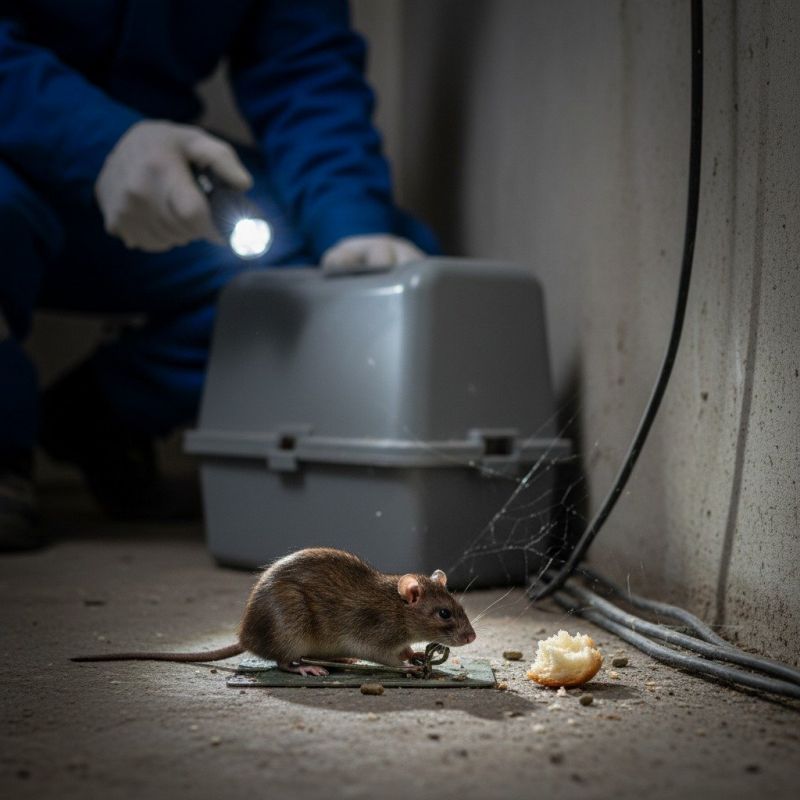
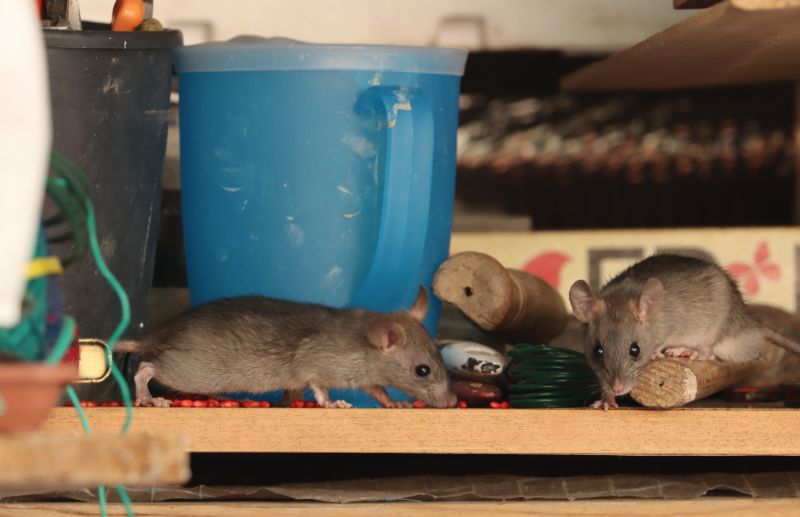
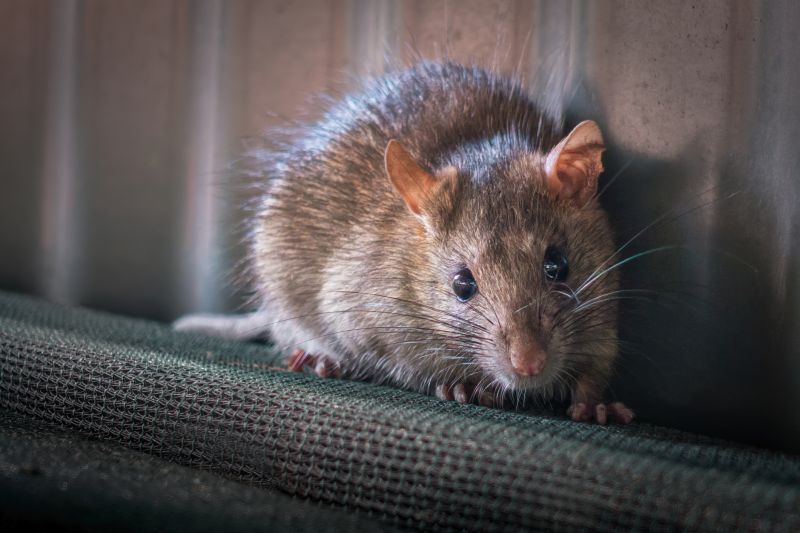
When homeowners search for information about how rodents compromise insulation and indoor air quality, they are often concerned about the health and safety of their living spaces. This topic usually comes up in the context of pest infestations, home repairs, or renovation projects where insulation appears damaged or contaminated. People may notice signs like strange odors, increased allergy symptoms, or visible rodent droppings and suspect that rodents have caused issues beyond just gnawing on wires or furniture. Understanding how rodents impact insulation and indoor air quality helps homeowners identify the root of these problems and consider appropriate solutions.
These concerns are typically connected to broader problems involving pest control, home maintenance, or energy efficiency. Rodents can create significant damage by nesting within attic or wall insulation, which can reduce the material’s effectiveness at regulating temperature. Their presence also introduces bacteria, parasites, and droppings into insulation, which can become airborne and spread throughout the indoor environment. This contamination can lead to respiratory issues, allergic reactions, and other health concerns. Many property owners plan to address these issues by removing contaminated insulation and preventing future rodent incursions, making it important to work with experienced service providers who specialize in rodent removal and remediation.
Properties that come up most often in discussions about how rodents compromise insulation and indoor air quality include residential homes, especially those with attics or basements, as well as multi-family buildings and older structures. Homes located in areas with high rodent populations or easy access points are particularly vulnerable. Attics are common nesting sites because they provide quiet, undisturbed spaces, while basements and wall cavities can also serve as secure habitats for rodents. These environments often contain insulation materials that rodents can easily access and damage, leading to contamination and a decline in indoor air quality. Addressing these issues typically involves inspections, removal of affected insulation, and sealing entry points-all tasks handled by local contractors experienced in pest and insulation remediation.
For homeowners facing concerns about how rodents compromise insulation and indoor air quality, understanding the role of local pros is essential. These service providers can conduct thorough inspections to identify rodent activity and the extent of damage. They are equipped to safely remove and replace contaminated insulation, as well as implement measures to prevent future infestations. Working with experienced local contractors ensures that the problem is addressed comprehensively, improving both the safety and comfort of the living environment. Proper remediation not only restores insulation’s effectiveness but also reduces health risks associated with rodent-borne contaminants, making it a vital step in maintaining a healthy home.
Attic Insulation Replacement - professionals who replace or upgrade attic insulation often address issues caused by rodent damage that affects indoor air quality and insulation effectiveness.
Wildlife Exclusion Projects - these projects involve sealing entry points and installing barriers, skills that are essential when working to prevent rodents from accessing insulation and indoor spaces.
Indoor Air Quality Assessments - local contractors who evaluate indoor air quality can identify contamination resulting from rodent droppings and nesting materials within insulation.
Attic Cleanup and Decontamination - experts in cleaning and sanitizing attics handle removal of rodent droppings and nesting debris that compromise insulation and air quality.
Pest Proofing and Preventative Services - these services focus on sealing and sealing entry points, reducing the risk of future rodent infestations that damage insulation and indoor air conditions.
Insulation Installation and Repair - specialists who install or repair insulation are skilled in replacing contaminated materials caused by rodents to restore indoor air safety and comfort.
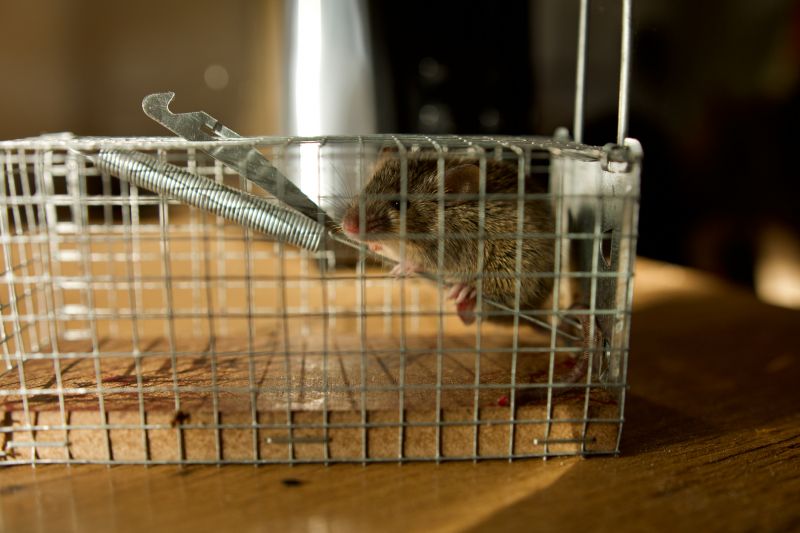
When comparing service providers for rodent removal, it’s important to consider their experience with similar projects, specifically those involving insulation and indoor air quality concerns. Homeowners should inquire about how long a contractor has been handling rodent-related issues in residential settings and whether they have a track record of successfully addressing infestations that impact insulation and indoor air environments. An experienced contractor will better understand the complexities of rodent behaviors and the potential damage they can cause, ensuring that the removal process is thorough and effective.
Clear, written expectations are essential for establishing a mutual understanding of the scope of work and the steps involved in rodent removal. Homeowners should seek service providers who can provide detailed descriptions of the procedures, including inspection, removal, and any necessary repairs or insulation replacement. Having this information in writing helps prevent misunderstandings and ensures that both parties agree on what will be done, which is especially important when dealing with issues that affect insulation and indoor air quality.
Reputable references and strong communication are key factors when selecting a contractor. Homeowners are encouraged to ask for references from previous clients who had similar issues and to verify the quality of their work. Good communication throughout the project is also vital; service providers should be responsive, transparent, and willing to answer questions about the process, potential risks, and how they address contamination concerns. These qualities help ensure that the homeowner feels confident and informed throughout the rodent removal process, leading to a more satisfactory outcome.
Property owners often search for how rodents compromise insulation and indoor air quality when they are planning practical projects around their homes and businesses. Local pros provide Rodent Removal services for everyday jobs and straightforward project options.
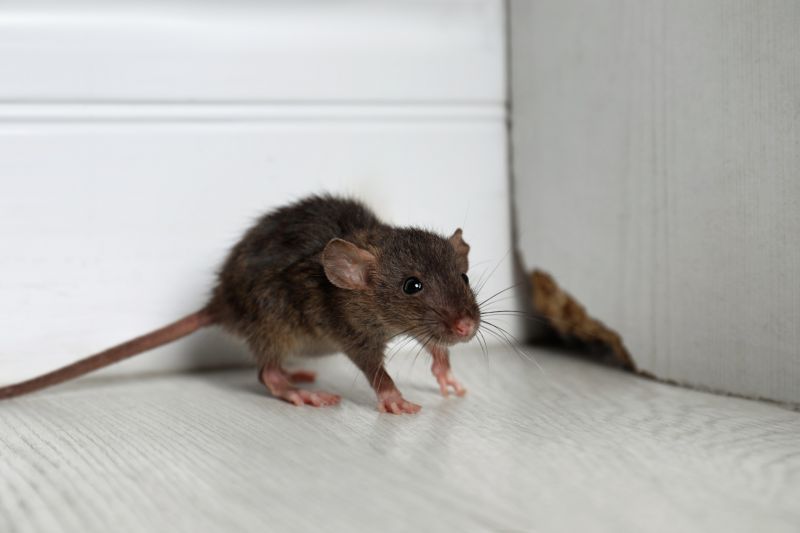
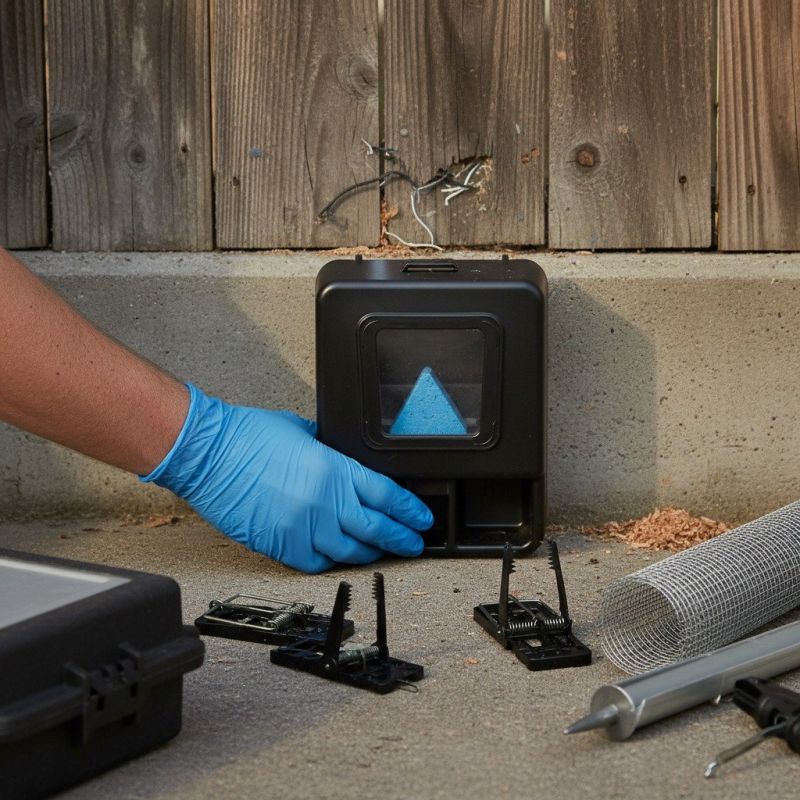
Rodents can quickly cause problems inside a home by nesting in attic spaces and burrowing into insulation. Their presence often leads to damaged or displaced insulation, which reduces its effectiveness at regulating indoor temperatures. Property owners who notice unusual odors, increased energy bills, or signs of rodent activity may seek out local contractors experienced in rodent removal to address these issues. Proper removal and insulation repair not only help restore comfort but also prevent further damage caused by rodent activity.
In addition to physical damage, rodents can significantly impact indoor air quality. Their droppings, urine, and nesting materials can introduce allergens and airborne pathogens into the home environment. This can be especially concerning for households with allergy sufferers or respiratory issues. Local service providers who specialize in rodent removal can assess the extent of contamination and recommend appropriate cleanup and insulation replacement services. Addressing these concerns promptly helps maintain a healthier indoor atmosphere and reduces the risk of ongoing air quality problems.
How do rodents damage insulation? Rodents can chew through insulation materials, creating holes and gaps that reduce the insulation’s effectiveness and allow pests to enter living spaces.
In what ways do rodents impact indoor air quality? Rodent droppings, urine, and nesting materials can release allergens and airborne pathogens, degrading indoor air quality and potentially causing health issues.
Why is it important to remove rodents before replacing insulation? Removing rodents first prevents future damage and contamination of new insulation, ensuring a healthier indoor environment and more effective insulation performance.
How can local contractors help restore insulation after rodent activity? Experienced service providers can eliminate pests, safely remove contaminated insulation, and install new materials to improve indoor air quality and energy efficiency.
What signs indicate rodents may have compromised insulation and indoor air quality? Signs include droppings, gnaw marks, musty odors, and visible nesting materials, prompting the need for professional inspection and removal services.
Identify rodent entry points - property owners can work with local contractors to locate and seal gaps that allow rodents to access attics and wall spaces.
Inspect and replace insulation - professionals can assess contaminated insulation and install new materials to improve indoor air quality.
Implement ongoing pest prevention - local service providers can set up barriers and traps to reduce future rodent activity and protect insulation.
Improve ventilation systems - property owners can upgrade or maintain ventilation to minimize airborne contaminants caused by rodent infestations.
If you are thinking about how rodents compromise insulation and indoor air quality for a property, this guide is meant to help you understand this topic, the typical project types, and how different options might fit your plans.
When you are ready, you can use the quote form on this page to share a few details about your project. From there, local pros can review the basics and follow up with options that match what you have in mind.